For much of the past decade, contemporary architecture has had an enormous influence on luxury homes throughout Tampa Bay. There is a lot to like about it. Large windows. Clean lines. Open floor plans. High ceilings. Expansive indoor-outdoor living. Homes filled with natural light.
All of those elements make particular sense in Florida. But the market's reaction to contemporary design has also been mixed. Some modern homes are undeniably beautiful, yet can feel a little too large, stark or boxy. The architecture creates drama, but sometimes at the expense of intimacy.
You can admire the house without necessarily wanting to curl up and live in it.
At the other end of the spectrum, going too traditional presents a different problem. Heavy finishes, formal layouts and overly ornate details can make a newly built home feel older than it is. At Signature Bay Homes, we've increasingly become interested in what sits between those two extremes.
What if we keep the light, scale and openness of contemporary Florida architecture—but combine it with the warmth, craftsmanship and sophistication of European luxury and the discipline of timeless design? We believe that fusion may represent an important next chapter for luxury homes in Tampa Bay.
The Best of Coastal Contemporary Is Worth Keeping
Moving beyond Coastal Contemporary doesn't mean abandoning it. Quite the opposite. Some of its defining characteristics are exceptionally well suited to Tampa Bay and should remain fundamental to luxury design. We're continuing to lean into:
- Large windows and abundant natural light
- Strong indoor-outdoor connections
- Clean architectural lines
- Open entertaining spaces
- Tall ceilings
- Simple underlying palettes
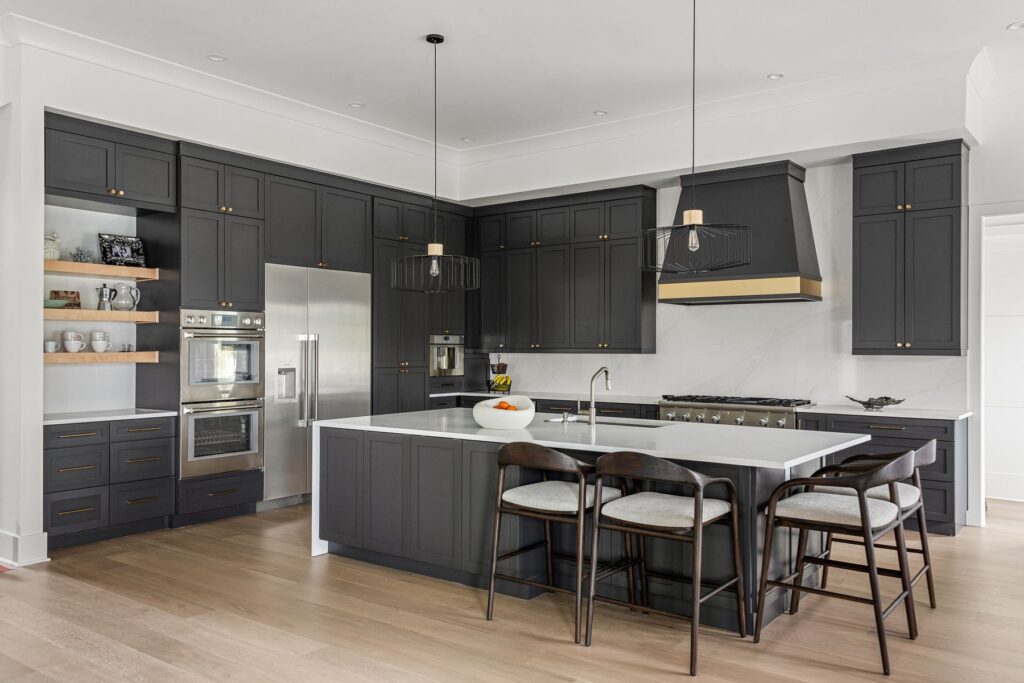
- Expansive kitchens
- Integrated pools and outdoor living
- An overall feeling of brightness and optimism
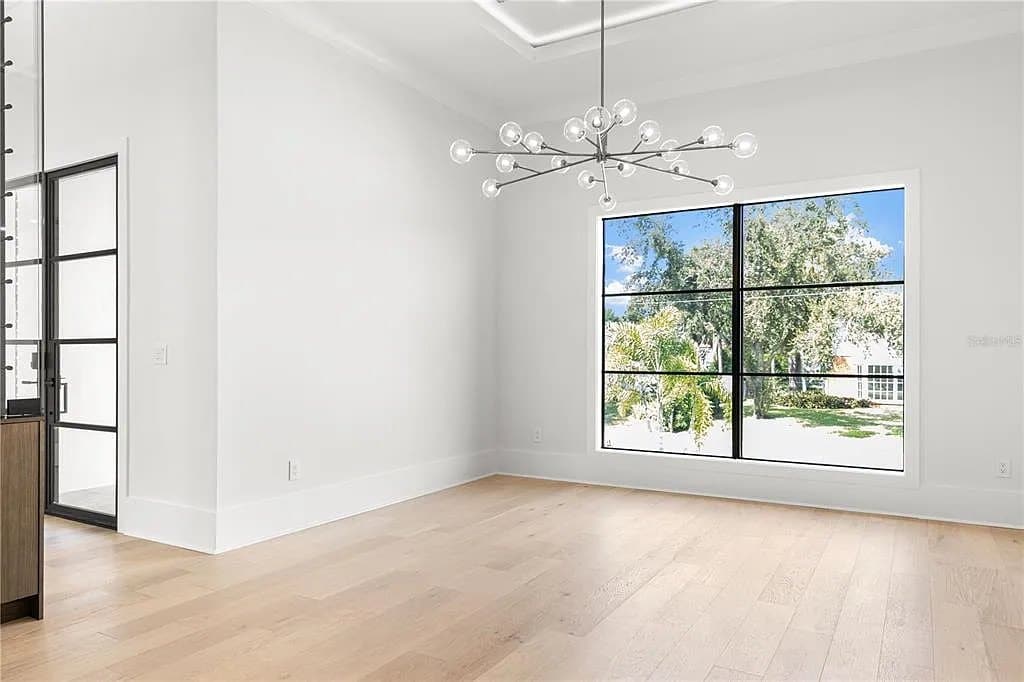
In our homes, that can mean 11- or 12-foot first-floor ceilings, dramatic two-story openings and large areas of glass that make the home feel expansive. Those elements create the lightness that belongs in Florida. But they're only the foundation.
The next question is: How do you make all of that openness feel warm?
Enter European Luxury
When we talk about European influence, we don't mean recreating a French château or an English country house room by room. We're borrowing ideas rather than copying a period.
European homes often have something many contemporary homes lack: layers. There is architecture to discover. Material variation. Craftsmanship. Rooms with different personalities. Moments of intimacy. Details that don't necessarily reveal themselves all at once. We're increasingly incorporating those ideas into otherwise clean, contemporary Florida homes. That might mean:
- An unexpected archway
- A beautifully designed coffee or espresso bar
- Custom built-ins
- More sophisticated millwork
- Modified wainscoting
- A custom kitchen hood
- French-inspired tile patterns
- Textured decorative lighting
- Brushed bronze and warmer metals
- Selective natural stone
- Carefully detailed window trim
- Warm wood accents
- More architectural transitions between spaces
None of those elements needs to dominate the house. In fact, they work better when they don't. The objective is sophistication through restraint.
Luxury Should Be Light—and a Little Mysterious
One of the Signature Bay Homes design values we've increasingly embraced is something we describe as: A little mysterious.
A home shouldn't reveal everything the moment you walk through the front door. The coastal side of our design vocabulary gives us light, brightness and happiness. The European influence introduces depth, mood and discovery. We like the tension between the two.
A bright great room might transition into a darker, more intimate study. A simple hallway might terminate at an archway or unexpected piece of millwork. A mostly neutral bathroom might incorporate a subtle ogee tile pattern that only becomes noticeable as you get closer. A clean kitchen might feature a custom hood that feels more like architecture than an appliance surround. Luxury becomes more interesting when the home has different emotional registers.
Not every room needs to shout. And not every room should feel the same.
From White to Warm
The all-white luxury interior isn't disappearing. But it is evolving.
We're increasingly interested in warmer, organic neutrals—sandy tones, soft creams, limestone-inspired colors, natural woods and other hues that still feel coastal without becoming stereotypically “beachy.” That creates an important bridge between Florida and Europe.
The palette remains light enough for Tampa Bay. But it gains warmth. We're also selectively introducing darker and more saturated environments. One technique we're experimenting with is color drenching—using a single color or closely related tones across walls, trim and sometimes ceilings to create an enveloping room. We wouldn't do it everywhere. That's the point. Used selectively in a study, powder room or another intimate space, it creates contrast with the brighter areas of the house.
The home gains rhythm: Light → mood → light → texture → surprise. That rhythm gives a house personality.
Texture Is Replacing Ornament
There is another important distinction between what we're describing and traditional luxury. We're not interested in adding decoration simply for the sake of decoration.
Instead, we're using texture as ornament. Consider ceilings. There was a period when luxury homes seemed to require increasingly elaborate ceiling treatments in almost every important room. We prefer a more restrained approach. That might mean:
- A few carefully positioned wood beams
- A subtle step-up ceiling
- Clean wood detailing
- Selective millwork
- A change in material or texture
The ceiling becomes interesting without competing with everything below it. We're applying the same philosophy elsewhere. In bathrooms, for example, an ogee-shaped tile can introduce movement and European character while remaining monochromatic and sophisticated. The shape creates the interest. The palette keeps it timeless.
That's the balance we're looking for: enough detail to create depth, but enough restraint to let the architecture breathe.
The Exterior Is Evolving Too
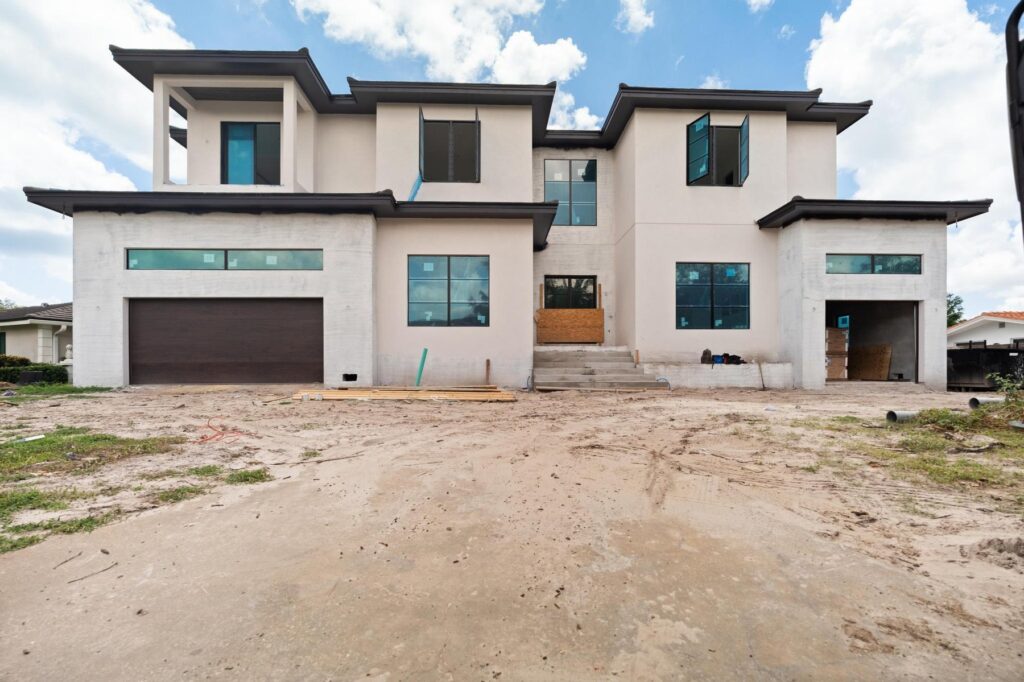
This fusion isn't limited to interiors. We're also exploring ways to bring warmth and permanence back to exterior architecture without creating homes that feel overly traditional.
Brick is a good example. We're interested in sophisticated brick inspired by the tones and character found in places such as Greenwich—not simply conventional red brick. The mortar becomes part of the design. By adjusting its tone and relationship to the brick, the masonry can read as a subtle architectural texture rather than a bold contrasting pattern. We're pairing materials such as:
- Muted brick
- Limestone
- Smooth stucco
- Warm woods
- Concrete tile roofing
- Detailed window trim
- Restrained metal accents
The objective is to give the house a sense of permanence. It should look new without looking like it could only have been built this year.
Kitchens Are Becoming More Architectural
The luxury kitchen is also changing. For years, the formula often centered around expensive appliances, a large island and premium stone. Those elements still matter.
But the next generation of luxury kitchens feels more architectural. We're increasingly interested in:
- Custom hoods
- Furniture-quality cabinetry
- Integrated appliance solutions
- Natural and textured materials
- Layered lighting
- Working pantries
- Coffee and espresso stations
- More sophisticated hardware and metals
- Cabinetry that extends naturally into adjoining living spaces
The question is no longer simply: “How expensive is the kitchen?” It's: “How integrated is the kitchen into the architecture of the home?” That distinction can be felt immediately.
Florida Luxury Still Needs to Live Outside
No design philosophy for Tampa Bay is complete without outdoor living. This is one area where the Florida influence should remain unapologetic. Pools should feel integrated into the architecture rather than added behind it. Covered living spaces should feel like genuine rooms.
Outdoor kitchens are becoming increasingly sophisticated, with cabinetry, refrigeration, grills, televisions and—in some projects we're exploring—even features such as pizza ovens. Landscaping, hardscape, lighting, pool design and architecture should all work together.
The best outcome is when opening the doors doesn't feel like leaving the house. It feels like extending the home experience.
Why Is Luxury Moving This Direction?
I think something broader is happening. We are living through a period of unusually rapid change.
- Technology is changing.
- Work is changing.
- Design cycles move faster.
- Trends appear and disappear almost instantly through social media.
- And the broader economic and cultural environment can often feel uncertain.
Against that backdrop, I believe many luxury homeowners are increasingly interested in something more enduring.
If you're making a significant investment in a custom home, you don't necessarily want to build the architectural equivalent of the trend everyone is wearing this season.
You want the home to feel relevant now. But you also want to believe it will still feel exceptional ten or twenty years from now. That doesn't mean avoiding trends entirely. We experiment constantly.
The discipline is asking: Can this trend be translated into something that has a reasonable chance of aging well?
- Color drenching can create warmth and mood—but use it selectively.
- Ogee tile can add movement—but keep the material palette disciplined.
- Statement lighting can create drama—but choose texture and form rather than novelty for novelty's sake.
- Brick can add history—but reinterpret its color and mortar treatment for a contemporary home.
- Wood ceilings can add warmth—but perhaps use a few beautiful beams rather than covering every ceiling.
Innovation works best when it is filtered through timelessness.
Our Formula: Light + Warmth + Depth
If we had to reduce this emerging Tampa Bay luxury aesthetic to three ideas, they would be:
Light
Keep what Florida contemporary architecture does exceptionally well. Large windows. Tall ceilings. Open spaces. Natural light. Indoor-outdoor living.
Warmth
Layer in natural materials, warmer colors, sophisticated metals, wood, millwork, textured lighting and architectural details that make large homes feel intimate.
Depth
Give the house something to discover. An archway. A moody room. An unexpected tile. A custom built-in. A beautiful piece of stone. A ceiling detail. A hidden coffee bar. A material transition you don't fully appreciate until you've lived with it. That's where a house starts becoming memorable.
The Timeless Design Checklist
When we're evaluating a design idea, these are some of the questions worth asking:
- Will this still feel sophisticated in ten years?
- Does it improve the architecture—or simply follow a trend?
- Does the home have enough natural light?
- Are there warm materials to balance large contemporary spaces?
- Does every room feel identical, or does the home have different moods?
- Are we using craftsmanship and texture instead of unnecessary ornament?
- Do the interior and exterior feel like the same design story?
- Does the outdoor environment feel integrated into the architecture?
- Are there moments of surprise and discovery?
- Have we shown enough restraint?
That final question is often the hardest. Luxury creates the opportunity to do almost anything. Great design comes from knowing what not to do.
The Next Generation of Tampa Bay Luxury
We don't believe Tampa Bay luxury needs to choose between contemporary and traditional. There is a more interesting opportunity between them.
Keep the light, openness and indoor-outdoor living that make contemporary homes so appealing in Florida. Add the warmth, craftsmanship and sophistication associated with European design. Then apply the discipline of timeless architecture so that today's exciting idea doesn't become tomorrow's dated feature.
The result is something difficult to define with a single architectural label. Maybe that's a good thing.
- It is coastal, but not beachy.
- Contemporary, but not cold.
- European-inspired, but not old-world.
- Luxurious, but still comfortable.
- Clean, but layered.
- Familiar, but a little mysterious.
And ultimately, that's what we're trying to create at Signature Bay Homes: Homes that feel distinctly of this moment—without being trapped by it.