Why income, equity, interest rates—and scarcity—are reshaping Tampa Bay luxury real estate. Luxury real estate has always been about more than mortgage rates. Today's luxury buyer is making decisions at the intersection of income, accumulated wealth, financing costs, and an increasingly scarce supply of exceptional homes. Those forces have all moved dramatically since 2020—but not in the same direction.
At Signature Bay Homes, we believe this is creating a very different luxury market than the headlines suggest. Homes continue to sell, but the path to purchasing one has become far more nuanced. The result isn't a weak market. It's a more selective market.
The Headlines That Matter at July 2026
- Tampa Bay's luxury entry point has increased more than 109% since January 2020.
- As of July 2026, the median luxury single-family home now sells for approximately $2.1 million.
- Jumbo financing remains well above pandemic lows, reducing purchasing power for financed buyers.
- Household incomes have grown—but not nearly as fast as luxury home prices.
- Cash buyers and equity-rich homeowners continue to support demand.
- Buyers have more negotiating leverage than they did several years ago, although truly exceptional homes remain highly competitive.
What's Supporting the Luxury Market
1. Scarcity Still Wins
The biggest driver of today's pricing isn't simply demand. It's the limited supply of homes buyers actually want. Today's luxury buyers consistently prioritize:
- Waterfront and water-adjacent locations
- Walkable neighborhoods
- Elevated flood resiliency
- Modern construction
- Move-in-ready condition
- Thoughtful architecture
- Outdoor living
- Privacy
These characteristics cannot be produced quickly, particularly in mature neighborhoods like Snell Isle, Old Northeast and South Tampa where land is increasingly constrained.
Luxury buyers aren't simply paying more for square footage. They're paying for scarcity, location, time savings and confidence.
2. Wealth Has Become More Important Than Income
Income still matters: it determines financing qualification. But wealth increasingly determines purchasing power. Today's successful luxury buyer often brings one or more of the following:
- Significant home equity
- Appreciated investment portfolios
- Liquidity from relocating
- Larger down payments
- Cash purchasing ability
Those buyers experience today's interest rates very differently than buyers relying primarily on financing. This helps explain why luxury sales continue despite higher borrowing costs.
3. Tampa Bay Remains a National Destination
Luxury demand continues to benefit from long-term trends:
- Domestic migration
- Executive relocations
- Florida's tax environment
- Lifestyle appeal
- Remote and hybrid work
- Continued household wealth creation
These structural drivers continue supporting luxury housing demand even as financing conditions become less favorable.
What's Challenging the Market
1. Home Prices Have Outpaced Income
One of the clearest trends since 2020 is the widening gap between home values and household income. While incomes have certainly grown, luxury pricing has accelerated much faster. According to the SBH Luxury Accessibility Index:
- Luxury Entry Point: $1.497M
- Comfortable Purchase Price: $1.348M
- Accessibility Index: 0.90
- Accessibility has declined 9.25% year-over-year
What this means
Today's typical affluent household can comfortably purchase less than the current entry point into Tampa Bay luxury. That doesn't prevent transactions. It simply reduces the number of qualified buyers.
2. Interest Rates Have Reset Buying Power
During 2020 and 2021, exceptionally low mortgage rates dramatically increased purchasing power. Today's financing environment changes that equation. Rather than simply accepting higher monthly payments, buyers typically respond by:
- Increasing down payments
- Reducing target price
- Choosing different neighborhoods
- Delaying purchases
- Paying cash
- Considering renovation opportunities
Higher rates haven't stopped luxury buying. They've simply made buyers more selective.
3. Affordability Isn't Equal Across Buyer Types
Today's market behaves differently depending on where purchasing power comes from. The month by month figures behind this sit in our Tampa Bay luxury market intelligence center.
| Buyer Type | Primary Consideration |
|---|---|
| Cash Buyer | Opportunity and long-term value |
| Relocating Executive | Equity deployment and liquidity |
| Move-Up Buyer | Giving up an existing low mortgage |
| Jumbo Loan Buyer | Monthly payment and qualification |
This explains why national mortgage headlines rarely tell the full Tampa Bay luxury story.
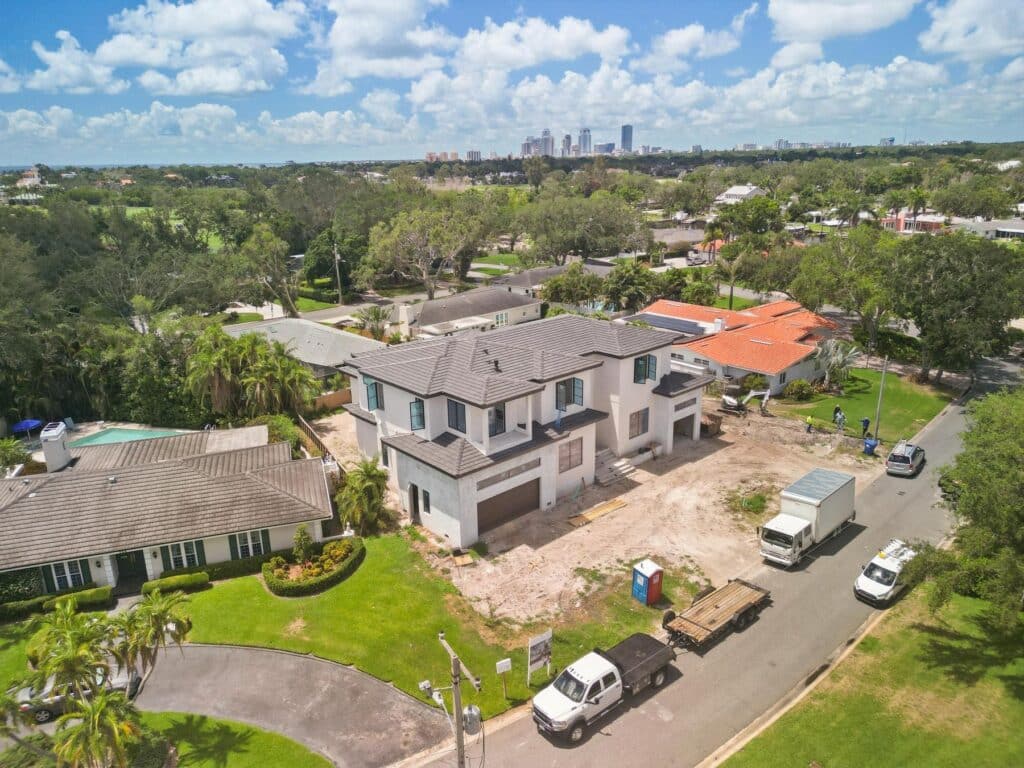
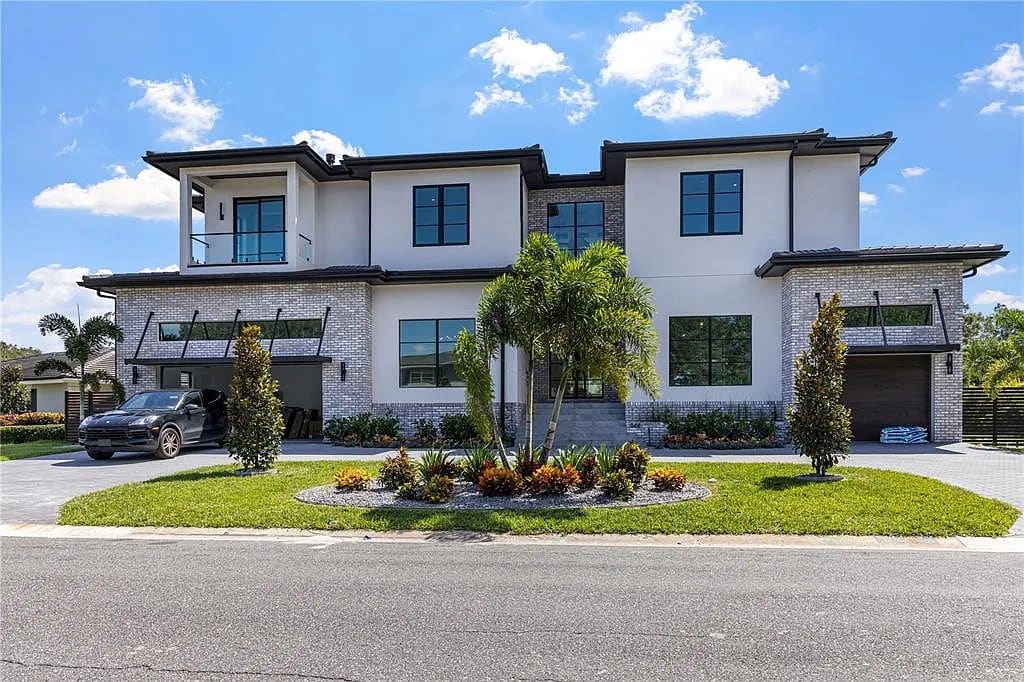
New Construction Still Commands a Premium—But Not Automatically
Buyers continue paying meaningful premiums for new construction because it offers:
- Modern floor plans
- Updated systems
- Lower maintenance
- Better hurricane resilience
- Improved flood design
- Contemporary finishes
- Immediate occupancy
However, our market data also suggests an important nuance. Not every new home automatically deserves a premium. Lot quality, neighborhood, architecture, craftsmanship and overall design continue to determine whether buyers perceive true value.
Luxury buyers don't simply reward "new." They reward exceptional.
Negotiating Has Returned
Unlike the frenzy of 2021, today's market as of July 2026 offers buyers more opportunity to negotiate.
Luxury Single Family
- 7.8 months of inventory
- Median sale-to-list ratio: 97%
- Median Days on Market: 83
- Nearly 22% of listings have reduced price
Luxury Condominiums
- 13.8 months of inventory
- Longer marketing times
- More buyer leverage
This is not a distressed market. It's a market that rewards realistic pricing and well-prepared buyers.
What Buyers Should Consider
Instead of asking "Can I afford this home?", ask "Does this home make financial sense over the next ten years?" Evaluate:
- Purchase price
- Financing costs
- Insurance
- Flood exposure
- Property taxes
- Deferred maintenance
- Renovation requirements
- Long-term resale potential
The lowest purchase price is not always the best investment.
What Realtors Should Consider
Today's most valuable Realtors are acting less like salespeople and more like strategic advisors. The conversation should extend beyond monthly payments to include:
- Equity strategy
- Liquidity preservation
- Opportunity cost
- Neighborhood appreciation
- Long-term ownership costs
- New construction versus resale
Helping buyers understand these tradeoffs builds confidence—and often leads to better long-term decisions.
Signature Perspective
The Tampa Bay luxury market hasn't become weaker. It has become more discerning. Exceptional homes in exceptional locations continue to command strong pricing because they remain genuinely scarce. At the same time, higher financing costs and rising home values have narrowed the buyer pool, creating a market where preparation and strategy matter more than ever.
For buyers, success isn't simply purchasing the most expensive home they can qualify for. It's acquiring the right home—one where location, design, carrying costs and long-term value remain aligned long after closing day.
For Realtors, the opportunity is to guide clients through a more sophisticated conversation. Understanding how income, equity, liquidity and financing work together has become just as important as understanding square footage or list price. That's the new math of luxury real estate—and we believe it will define the Tampa Bay market for years to come.
Scarcity is the other half of the equation, and it is geographic: our guide to Tampa Bay luxury neighborhoods covers where the supply constraint actually bites. For buyers weighing a finished home against a build, we set out how a spec home compares with a custom one, and the homes we currently have under construction show what that looks like in practice.
Sources
The figures and features referenced above come from the following published sources. Official government data is listed first.
- 30-Year Fixed Rate Mortgage Average — Federal Reserve Bank of St. Louis
- New Residential Construction — U.S. Census Bureau