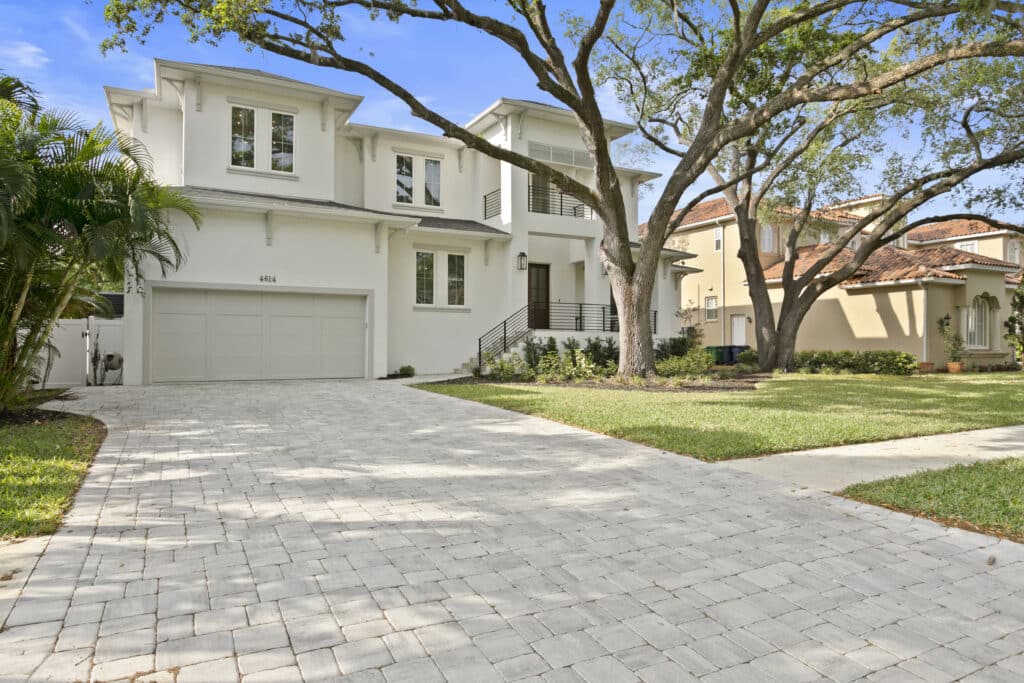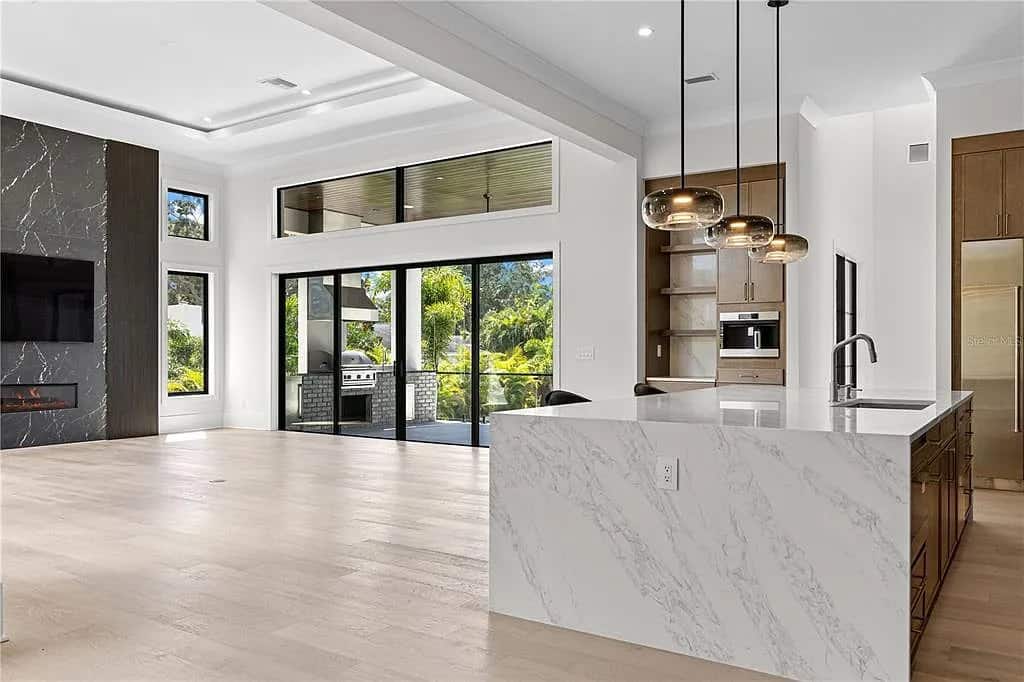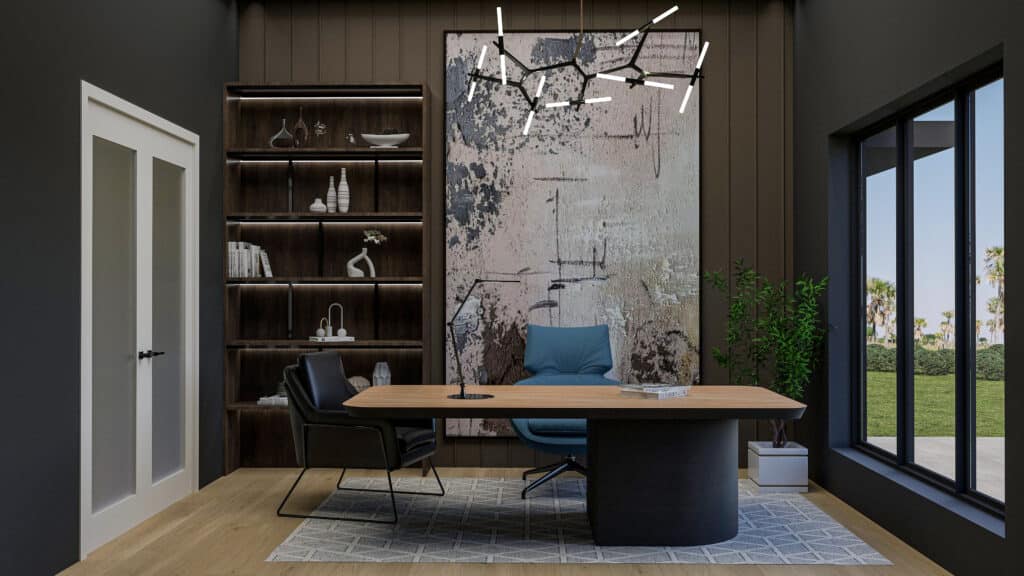
When people ask what prepared me to build luxury homes, they often expect me to talk about construction. While construction expertise is essential, one of the greatest influences on my approach came much earlier in my career while working with global brands at Interbrand in New York.
There, I had the opportunity to study how some of the world's most admired companies create enduring value. Our work blended economics, consumer research, design strategy, and long-range planning to better understand why certain brands consistently command premium pricing, inspire loyalty, and remain relevant for decades.
What surprised me then—and continues to shape how we build homes today—is how transferable those lessons are. Whether someone is choosing a luxury automobile, a five-star resort, a premium watch, or a custom home, the underlying drivers of value are remarkably similar. Luxury is rarely created through one dramatic feature. It is created through hundreds of thoughtful decisions that work together to create trust, emotional connection, and an experience that feels unmistakably different.
Those same principles have become the foundation of how we think about luxury homebuilding at Signature Bay Homes.
1. Luxury Brands Compete on Meaning, Not Features
One of the most enduring lessons from studying luxury brands is that exceptional companies rarely compete on specifications alone.
Interbrand's annual Best Global Brands report consistently demonstrates that the world's strongest brands create trillions of dollars in enterprise value not simply because they manufacture outstanding products, but because they build lasting emotional relationships with customers. Similarly, Bain & Company continues to identify craftsmanship, authenticity, personalization, heritage, and meaningful experiences as the defining characteristics of today's luxury market.
The implication is significant: premium customers rarely buy the feature first—they buy the feeling. Luxury homebuyers behave much the same way. Although conversations often begin with square footage, appliance packages, or architectural styles, purchasing decisions are typically influenced by broader questions:
- Does this home reflect how I want to live?
- Does it feel timeless rather than trendy?
- Can I picture my family here ten years from now?
- Does every detail reinforce confidence in the builder?
Features may justify the investment. Emotion often drives the decision.
2. Consistency Creates Premium Value
One of the common characteristics shared by enduring luxury brands is remarkable consistency. Every interaction reinforces the same promise—from product design and materials to customer experience and service.
The strongest luxury homes achieve the same outcome. While visitors often remember the dramatic kitchen or impressive great room, long-term homeowner satisfaction is usually shaped by dozens of smaller decisions that quietly improve daily life.
Examples include:
- Natural light throughout the day
- Well-proportioned living spaces
- Intuitive circulation between rooms
- Indoor-outdoor transitions
- Thoughtful storage
- Quality construction hidden behind finished walls
Individually, none of these decisions define luxury. Collectively, they create a home that feels intentional, balanced, and exceptionally well executed.
3. Experience Has Become More Valuable Than Excess
The definition of luxury continues to evolve. Research from the National Association of Home Builders consistently shows that buyers prioritize functional spaces such as well-designed kitchens, dedicated home offices, outdoor living, flexible rooms, and abundant storage ahead of many traditional luxury upgrades.
Similarly, luxury brokerage research from Sotheby's International Realty and Coldwell Banker Global Luxury highlights growing demand for homes centered on wellness, personalization, and everyday livability rather than maximizing square footage alone.
These findings reinforce an important principle. The best custom homes aren't necessarily the ones with the most upgrades. They're the ones that improve how life is experienced every day. That philosophy influences many of the decisions we make, including:
- Creating natural gathering spaces instead of oversized rooms.
- Designing kitchens that support entertaining and family life.
- Maximizing natural light and visual connection.
- Prioritizing timeless architecture over short-term trends.
- Balancing personalization with long-term resale appeal.
Luxury isn't measured by how much is added to a home. It's measured by how thoughtfully every space supports the people who live there.
4. Trust Is the Ultimate Luxury Feature
Affluent buyers have choices. They can purchase beautiful homes from many builders. What they're ultimately purchasing is confidence:
- Confidence that thoughtful decisions have been made.
- Confidence that quality exists where they cannot easily see it.
- Confidence that their investment will continue to perform for years to come.
This mirrors what distinguishes the world's strongest luxury brands. Premium pricing is rarely sustained by marketing alone. It is earned through consistent execution, reliability, and trust accumulated over time.
In homebuilding, trust is reflected in every stage of the process:
- Transparent communication
- Disciplined project management
- Quality craftsmanship
- Reliable trade partners
- Long-term service after closing
Luxury begins long before move-in day—and it continues well after the keys are handed over.
5. Exceptional Homes Are Carefully Curated
One of the defining characteristics of the world's most admired luxury brands is that they bring together exceptional talent from many disciplines around a single, uncompromising vision. Behind every iconic product, hotel, automobile, or fashion house is an extraordinary team of designers, engineers, craftspeople, and specialists—each contributing unique expertise while working toward the same objective.
Luxury homebuilding is no different. Every Signature Bay home is shaped by a carefully curated team of professionals, including architects, interior designers, landscape architects, structural engineers, master craftspeople, and trusted trade partners. Equally important is the homeowner, whose lifestyle, priorities, and vision help guide every major decision throughout the process.
The builder's responsibility extends well beyond managing schedules and coordinating construction. It is to curate the right team, align every discipline around a shared vision, and ensure each decision reinforces the next. When that happens, the finished home feels remarkably cohesive—as though it were designed by one mind, even though it reflects the expertise of many.
What Actually Qualifies a Home as Luxury
Ask ten people in this industry and you get ten answers, but the definitions overlap more than they diverge. Price alone does not do it. What comes up consistently is a combination of five things.
Location, first and hardest to change. It is the one element of a luxury home that cannot be upgraded later, which is why it leads almost every definition.
The view, and the privacy around it. For some buyers luxury is water. For others it is mature landscaping and no sight line from the street. Both are the same instinct: control over what you see and who sees you.
Scale that is genuinely used. Size appears in every definition, though the homes that hold their value are the ones where the space has a purpose rather than a square footage target.
Materials and appliances a level above. Not only in the kitchen. The fixtures, the millwork and the hardware are where a home either reads as considered or does not.
Systems that run the house quietly. Integrated control of lighting, climate, audio, locks and security is now assumed at this level rather than remarkable.
Beyond that baseline sit the rooms with a single purpose, and that is where the personality shows: the wine room, the theater, the gym, the pool that anchors the whole rear of the house. They are not what make a home luxury. They are what make it a particular family's.
Final Perspective
Perhaps the greatest lesson luxury brands taught me is that exceptional outcomes are rarely the result of one extraordinary decision. They are the cumulative effect of hundreds of disciplined, intentional choices made with a clear vision and unwavering commitment to quality.
That philosophy continues to guide every home we build at Signature Bay Homes. A luxury home should certainly be beautiful, but beauty alone is not enough. It should improve everyday life, reflect the people who live there, and stand the test of time. When thoughtful design, exceptional craftsmanship, and disciplined execution work together, a home becomes more than a place to live—it becomes an enduring expression of quality, trust, and the life its owners aspire to build.
The parallel runs through the rest of the site: the quality decisions that stay invisible are the homebuilding equivalent of a brand's unseen standards, and the questions worth asking a builder are how you test whether a company lives up to its own story. Our guide to building a luxury custom home in Tampa Bay sets out how we work. Our custom home process is where that discipline is written down.
Sources
The figures and features referenced above come from the following published sources. Official government data is listed first.
- Characteristics of New Housing — U.S. Census Bureau
- What Home Buyers Really Want — National Association of Home Builders